











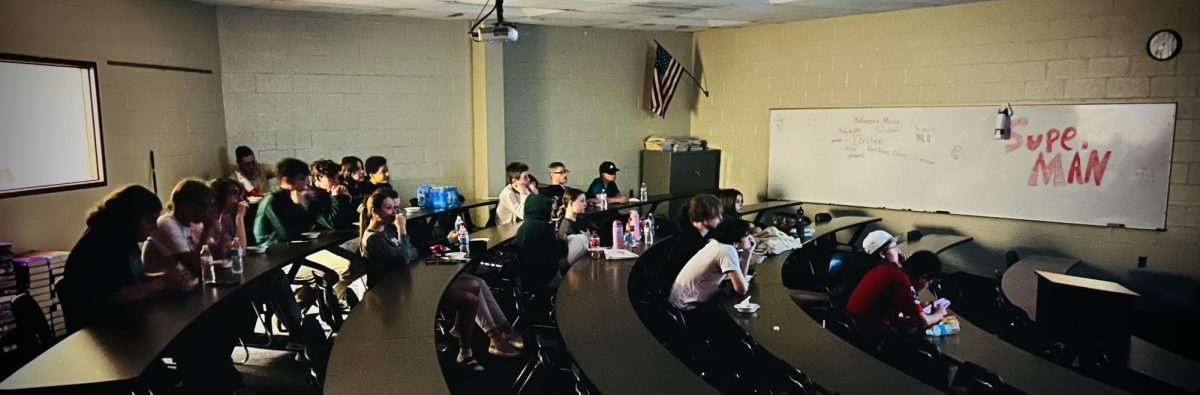




Across the hallways of American high schools in 2026, the debate over random drug testing is being reshaped by a generation that is statistically more sober than those before it. According to the 2025 Monitoring the Future study by the University of Michigan, adolescent substance use remains at historic lows, with 91% of 8th graders and 66% of 12th graders reporting total abstinence from marijuana, alcohol, and nicotine in the past 30 days. Despite these promising figures, school districts often justify testing programs by pointing to a more dangerous landscape; data from Quest Diagnostics and other clinical analysts have highlighted a worrying trend in adult and youth populations where fentanyl detection in random screens has seen sharp increases, complicating the “low usage” narrative with a higher “lethality” risk.
The actual effectiveness of these programs remains a point of heavy statistical contention. Research published by the Institute of Education Sciences (IES) suggests that while mandatory random testing can lead to a slight decrease in reported drug use among those actively being tested, such as athletes, it rarely has a “spillover effect” on the general student body. Furthermore, a landmark study funded by the National Institute on Drug Abuse (NIDA) involving 94,000 students found no significant difference in drug use levels between schools that test and those that do not. Critics often use these analytics to argue that the practice is more about the appearance of safety than actual prevention.
For many students, the “suit of armor” theory, the idea that testing provides a socially acceptable excuse to say “no,” is a primary psychological factor. Qualitative data from the Journal of Adolescent Health indicates that many students appreciate having a clear “out” when facing peer pressure. However, this comes at a steep financial and social cost. The American Academy of Pediatrics (AAP) has estimated that schools find only about one positive result for every 125 students tested, leading to a cost of approximately $3,000 per positive test. This leads to a persistent debate over whether those funds should be diverted from surveillance into mental health resources.
“It’s a weird trade-off,” says a STVM junior. “On one hand, I can tell people I can’t vape because I might get pulled for a random screen tomorrow, and they respect that. But on the other hand, it feels like the school doesn’t trust us by default. We’re at an all-time low for usage anyway, so it feels like they’re searching for a problem that isn’t really there for many of us.”

A STVM freshman said, “It feels like a ‘guilty until proven innocent’ policy that doesn’t actually help my friends who might be struggling with anxiety or real issues; it just makes everyone more nervous about the next random testing period.”
Ultimately, the future of student drug testing in the USA appears to be shifting toward a health-centric model rather than a punitive one. Modern analytics from the United States Drug Abuse Testing Market report indicate a move toward less invasive but more accurate “multiplex panels” and saliva-based tests to increase compliance and reduce the “Big Brother” atmosphere. As schools navigate 2026, the goal is increasingly focused on “selective prevention,” a strategy supported by research in the journal Frontiers in Psychology, which prioritizes early intervention for at-risk groups over universal surveillance, aiming to support student well-being without compromising the school climate.